In our fast-paced, digitally driven world, finding time to slow down and reconnect with ourselves is more important than ever. For many, sewing has become more than just a practical skill — it’s a form of self-care, a mindful escape, and a creative outlet that nurtures both the body and mind.
If you’ve ever felt the soothing rhythm of needle and thread or the quiet satisfaction of finishing a handmade project, you know firsthand how deeply rewarding sewing can be. In this post, we’ll explore why sewing is such a powerful tool for self-care, how it benefits mental health, and practical ways to bring sewing into your wellness routine.
The Mind-Body Connection of Sewing
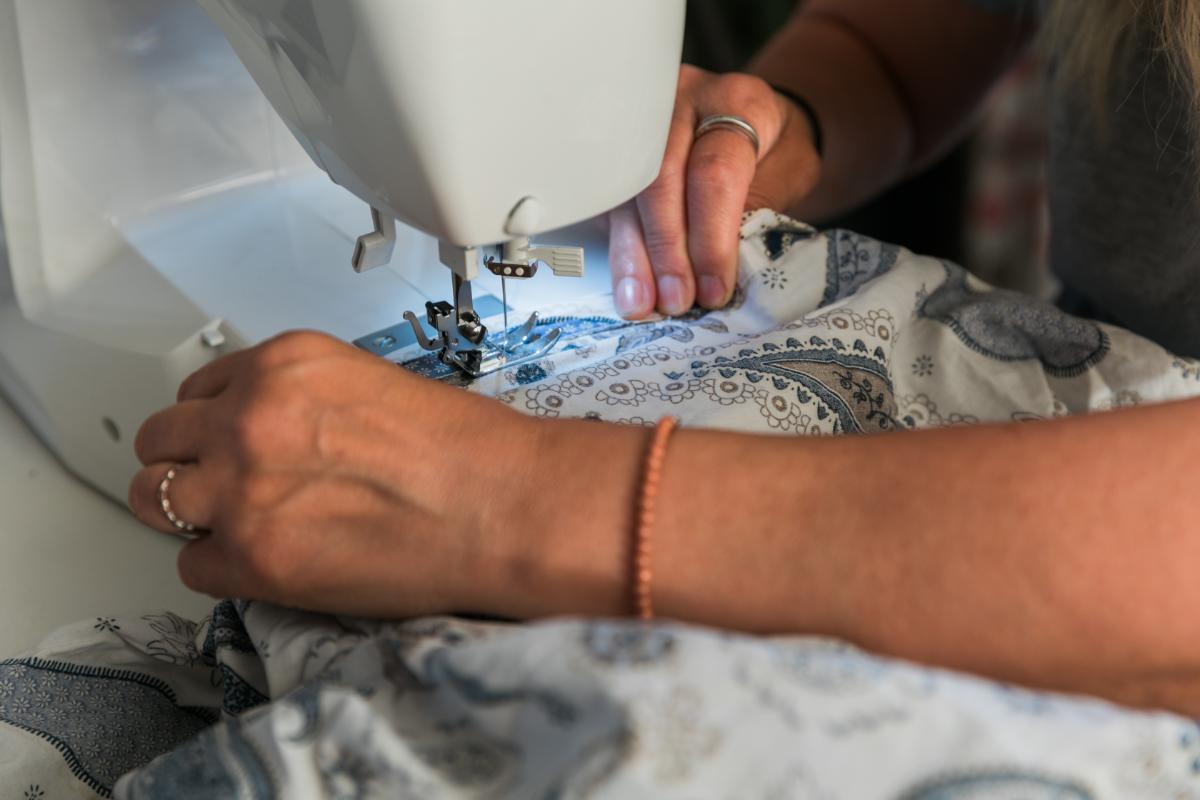
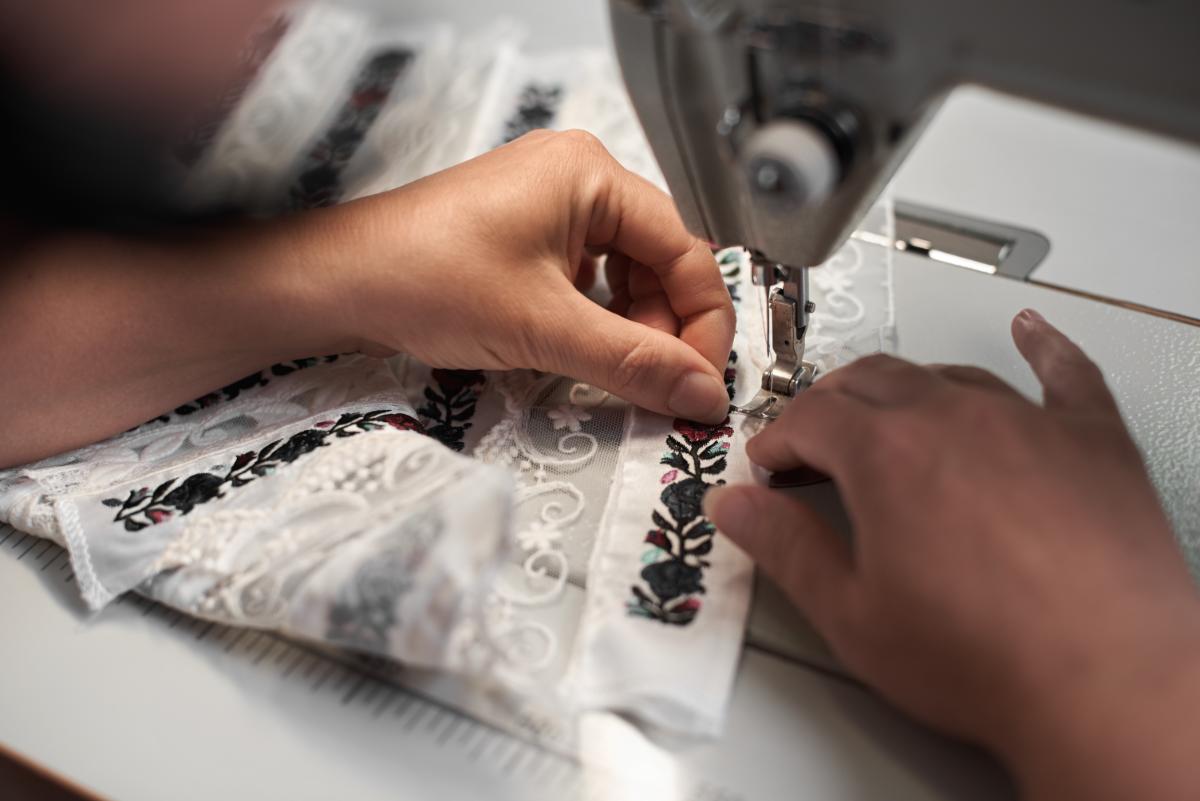
At its core, sewing engages both the mind and body in a unique way. The tactile feel of fabric, the precise movements of your hands, and the focused attention required all work together to create a meditative experience.
-
Focus and Flow: Sewing encourages what psychologists call “flow” — a state of complete absorption where time seems to disappear. When you’re fully focused on a sewing task, you quiet the noisy chatter of everyday stressors and worries.
-
Tactile Sensory Experience: The texture of fabric, the smooth glide of a needle, and the gentle click of scissors all stimulate your senses in a calming way. This sensory engagement grounds you in the present moment.
-
Creative Problem Solving: Sewing challenges you to think creatively — choosing fabrics, adapting patterns, and solving construction puzzles. This stimulates your brain and provides a satisfying sense of accomplishment.
Mental Health Benefits of Sewing
Research and anecdotal evidence alike highlight several mental health benefits linked to creative hobbies like sewing:
-
Stress Reduction: The repetitive motions of sewing act much like meditation, lowering heart rate and reducing stress hormones.
-
Improved Mood: Completing a sewing project releases dopamine, the “feel-good” neurotransmitter, boosting your mood and confidence.
-
Mindfulness: Sewing brings you into a mindful state, helping reduce anxiety and increase emotional regulation.
-
Sense of Accomplishment: Creating something tangible enhances self-esteem and combats feelings of helplessness or stagnation.
-
Social Connection: Sharing sewing projects in online groups or local clubs fosters a sense of belonging and community.
Practical Tips for Using Sewing as Self-Care
If you want to make sewing part of your wellness routine, here are some ideas to help you get started or deepen your practice:
1. Create a Cozy Sewing Space
Designate a small area in your home as your sewing nook. Keep it inviting with good lighting, organized tools, and personal touches like plants or inspiring fabric.
2. Set Realistic Goals
Don’t pressure yourself to complete complicated projects quickly. Start small with simple, enjoyable items like pillow covers, scrunchies, or fabric bookmarks.
3. Schedule Sew Time
Treat sewing like an important appointment. Even 20–30 minutes a few times a week can be restorative.
4. Practice Mindful Sewing
Slow down and pay attention to each stitch, fabric texture, and sound. Breathe deeply and let go of distractions.
5. Use Sewing to Process Emotions
Express your feelings through fabric choices and colors. Sewing can be a form of journaling with your hands.
6. Join a Sewing Community
Whether online or in person, connecting with other sewists offers support, inspiration, and shared joy.
Personal Reflection: How Sewing Became My Sanctuary
For me, sewing started as a practical skill but quickly turned into a treasured form of self-care. On hectic days when I felt overwhelmed, sitting down with fabric and thread became my sanctuary — a place where time slowed and worries faded. Each project, no matter how small, was a reminder that I could create something beautiful and lasting.
Final Thoughts
Sewing is much more than a craft — it’s a path to greater mindfulness, creativity, and emotional well-being. Whether you’re a beginner or an experienced sewist, embracing sewing as a self-care practice can enrich your life in unexpected ways.
So next time you pick up your needle and fabric, remember: you’re not just making a garment or accessory — you’re nurturing your mind, body, and soul.