Getting started with sewing can feel overwhelming at first—especially when you’re staring down a craft store aisle full of gadgets, threads, and mysterious tools you’ve never used before. But don’t worry: you don’t need every tool under the sun to begin your sewing journey.
Whether you want to hem your own clothes, make handmade gifts, or explore quilting or garment-making, starting with the right essentials can make all the difference. This guide covers the 10 must-have tools every beginner sewist should have in their toolbox, along with why they matter and how to use them.
1. ✂️ Fabric Scissors
One of the most important tools you’ll own is a dedicated pair of fabric scissors. These are specially designed to glide through fabric cleanly without snagging. Using regular scissors (especially if they’ve been used on paper) can dull the blade and lead to frayed or uneven cuts.
Tip: Label your fabric scissors and guard them like treasure—keep them away from paper and curious family members!
Some sewists also like to have a smaller pair of embroidery scissors or thread snips for cutting threads neatly while working.
2. 🧷 Seam Ripper
A seam ripper is every beginner’s best friend—and honestly, even seasoned sewists can’t live without one. This small tool lets you remove stitches cleanly and easily without damaging your fabric.
Whether you’ve sewn the wrong pieces together or your seam is crooked, a seam ripper helps you start fresh. Look for one with a comfortable grip and a protective cap so you can keep it safely in your sewing kit.
3. 📏 Measuring Tape
Precision is key in sewing. A flexible measuring tape lets you measure body dimensions, fabric, and patterns accurately. You’ll use it constantly—whether you’re measuring your waist for a skirt or checking hem lengths.
Look for one that has both inches and centimeters, and consider getting a retractable version for easy storage.
Pro Tip: Take a few measurements of yourself and write them down. It’ll save time when working with patterns.
4. 🪡 Hand-Sewing Needles
Even if you plan to use a sewing machine, hand-sewing needles are essential for basting, sewing buttons, and finishing small details. They come in different types and sizes, depending on your fabric and thread.
For beginners, a variety pack is a great place to start. You’ll soon get a feel for which ones you prefer based on your projects.
5. 📐 Pins, Clips & a Pin Cushion
Before you sew two pieces of fabric together, you’ll need to hold them in place. That’s where straight pins or sewing clips come in. Pins are great for most fabrics, while clips are ideal for delicate materials, vinyl, or layers that are difficult to pin.
A pin cushion or magnetic tray keeps your pins organized and safe. The classic tomato-shaped pin cushion is still popular, but magnetic bowls are a handy modern option, especially for picking up dropped pins!
6. 🧵 Thread
Thread may seem basic, but quality really matters. Cheap thread can fray, snap, or jam your machine. Start with 100% polyester thread—it’s durable and works well for most fabrics. Cotton thread is another option, especially for quilting or natural fabrics.
You don’t need every color right away. Having black, white, gray, and beige covers most basic needs.
7. 🧍 Tailor’s Chalk or Fabric Marking Tools
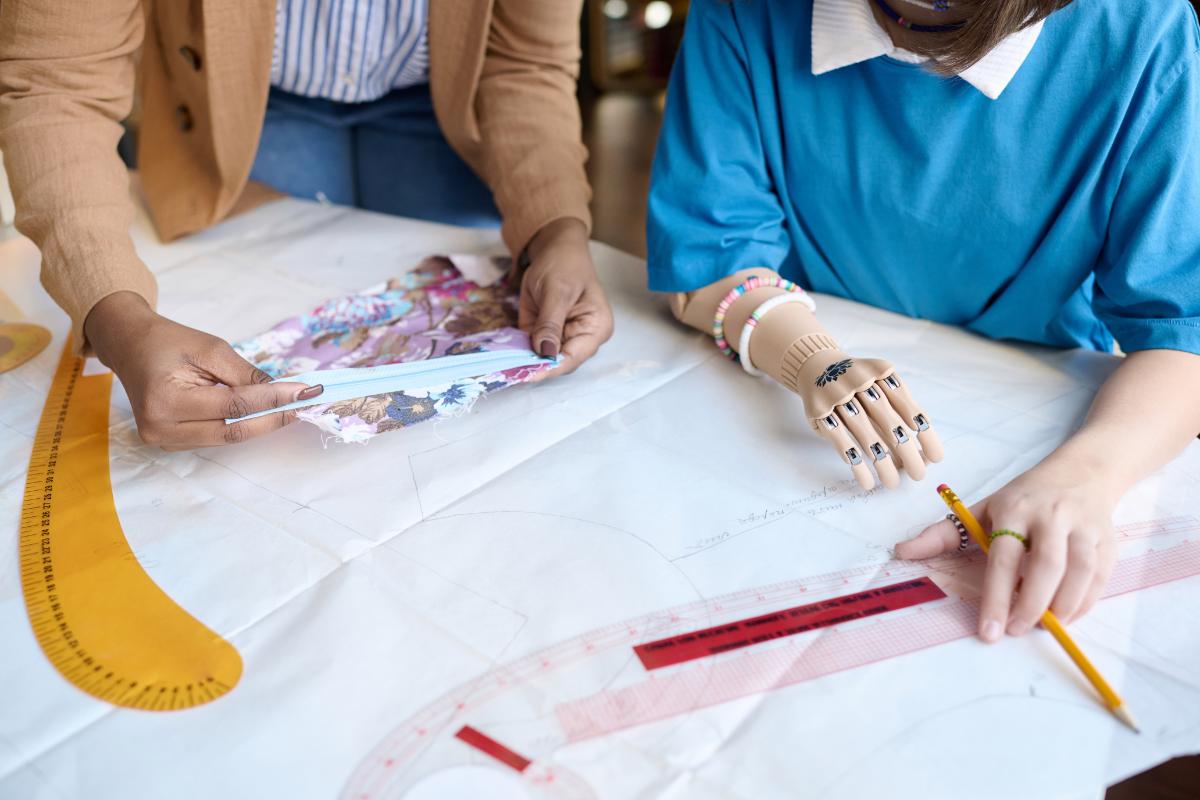
To mark darts, pleats, hemlines, or buttonholes, you’ll need a way to draw temporarily on fabric. Tailor’s chalk, water-soluble pens, or disappearing ink markers let you make accurate marks that wash or fade away later.
Make sure to test your marking tool on a fabric scrap first, especially with delicate or light-colored fabrics, to ensure it comes out cleanly.
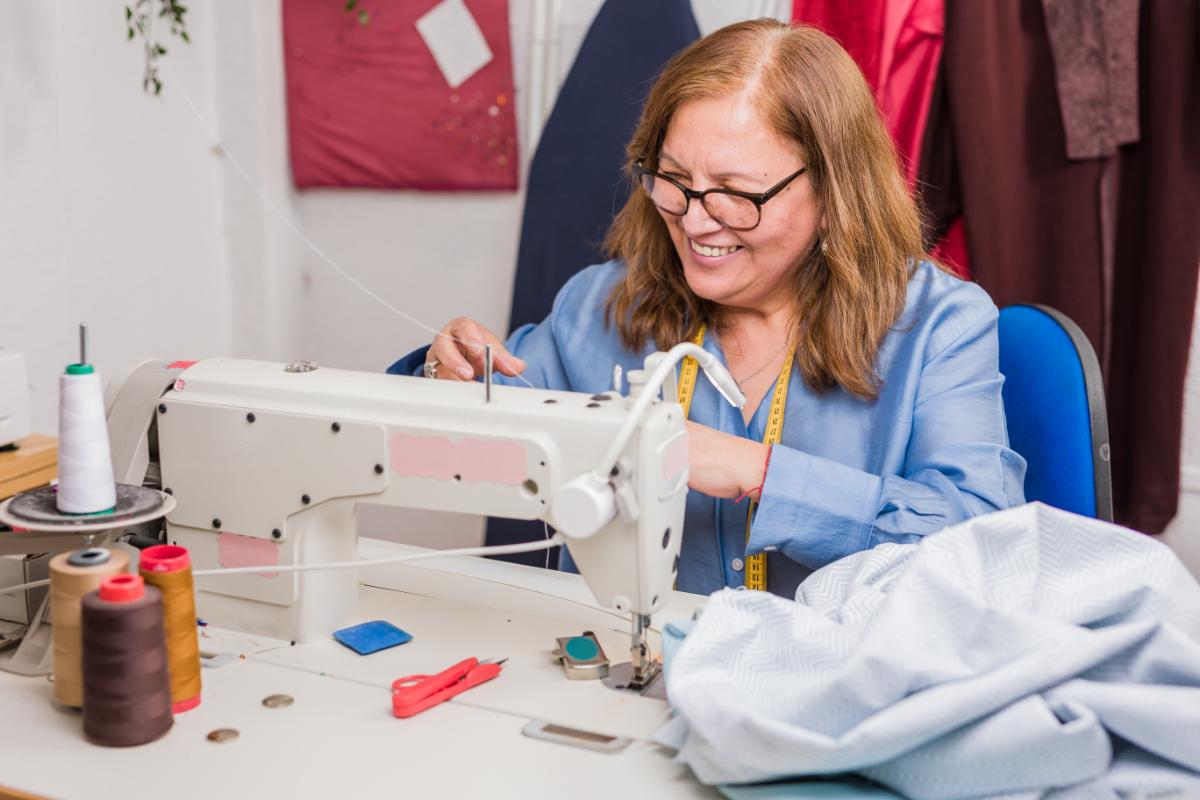
8. 🧵 Sewing Machine (Optional, But Incredibly Helpful)
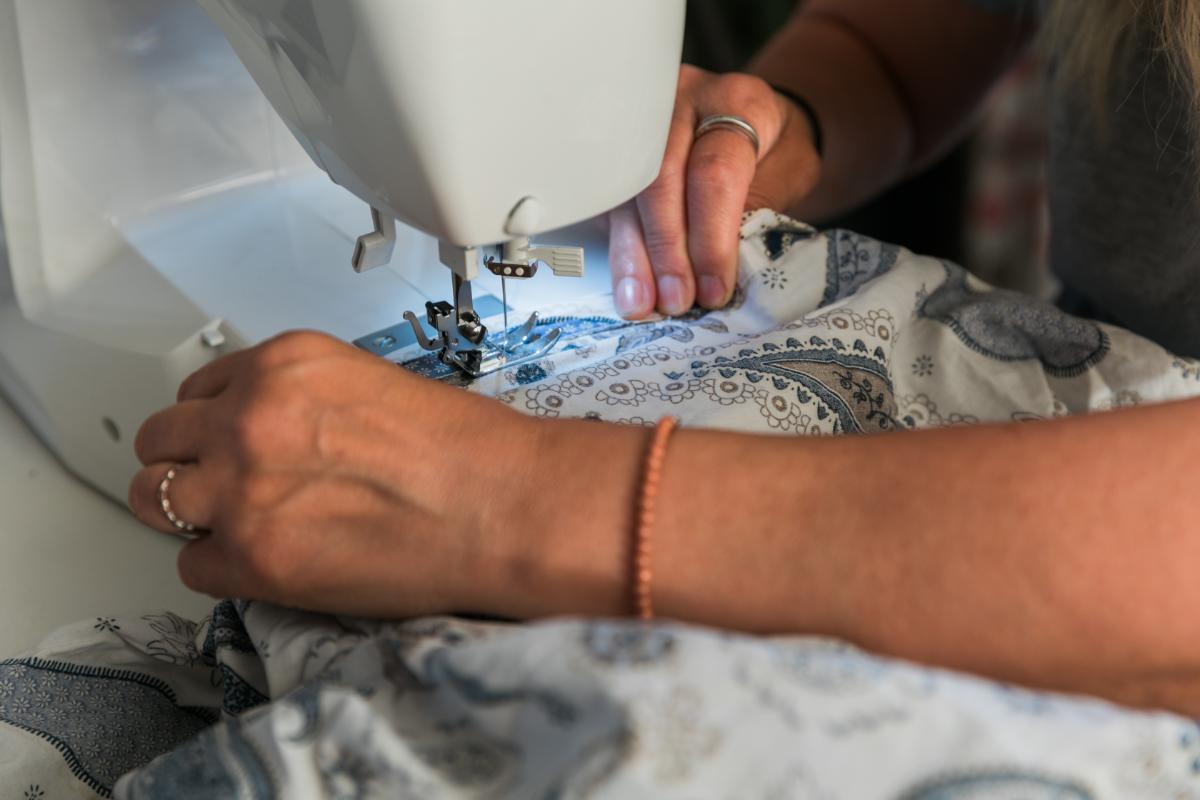
You don’t need a sewing machine to begin sewing, but it will definitely speed up your progress and open the door to more projects. Many beginner-friendly machines offer simple features like a straight stitch, zigzag, and adjustable tension.
Recommended features for beginners:
Drop-in bobbin
Adjustable stitch length
Automatic needle threader
Free arm for sewing sleeves or small projects
Brands like Brother, Singer, and Janome offer affordable and reliable beginner models.
9. 🪢 Iron and Ironing Board
Pressing your fabric and seams is one of the most overlooked but important steps in sewing. An iron makes your fabric easier to work with and gives your finished projects a crisp, professional look.
You don’t need a fancy iron—any steam iron will do. If you’re short on space, a tabletop ironing board or pressing mat is a great space-saving solution.
10. 📁 Storage Organizer or Sewing Box
Once you start gathering tools and materials, they can quickly clutter your space. A sewing box, tackle box, or plastic drawer system helps keep your tools organized and easy to find. Some sewists even use rolling carts or pegboards to organize thread, scissors, and patterns.
Keeping your workspace tidy makes sewing more enjoyable—and saves time when you’re in the middle of a project.
Bonus: Fabric & Patterns
While not tools, you’ll also need fabric and a project idea to get started! Look for beginner-friendly patterns and stable woven fabrics like cotton or linen, which are easier to work with than slippery or stretchy materials.
Final Thoughts
Sewing is an incredibly satisfying and versatile skill that allows you to create everything from clothes to quilts to home décor. The best part? You don’t need to start with a studio full of fancy equipment—just a few basic tools and a desire to learn.
Start simple, be patient with yourself, and don’t be afraid to make mistakes (you’ve got that seam ripper, after all!). With time and practice, your confidence will grow, and you’ll be amazed by what you can create with just thread, fabric, and a little imagination.
Stay tuned to OurSewingWorld.com for beginner tutorials, project ideas, product reviews, and more inspiration to keep you stitching happily!